Bimetallic screw barrels with a 2–5 mm wear- and corrosion-resistant alloy layer cast into the bore, built for recycled, glass-filled, mineral-filled and flame-retardant materials.
A bimetallic barrel has a 2–5 mm layer of wear- and corrosion-resistant alloy cast onto the inner wall of the barrel bore. The alloy layer — rather than the base steel — is what contacts the resin, so the working surface stays hard far longer than a nitrided bore.
The matching bimetallic screw is built by spray-welding or hardfacing alloy powder onto the screw flight surface, so the flight crest resists abrasion instead of wearing down into the barrel clearance.
This construction is the standard answer for glass fibre, mineral filler, recycled content, flame retardants and corrosive resin such as PVC and fluoropolymers — anywhere abrasion or corrosion shortens the life of a nitrided set.
Cost-effective general wear protection for filled and recycled polyolefin.
Balanced wear and corrosion resistance for corrosive and filled materials.
High-temperature wear resistance for demanding engineering resin.
Maximum abrasion resistance for heavily glass-filled and mineral-filled compounds.
Alloy-lined barrel supplied to pair with your existing screw.
Hardfaced screw flights to pair with your existing barrel.
Barrel and screw built as a matched pair for maximum service life.
Heavy-duty bimetallic sets for washed flake and regrind lines.
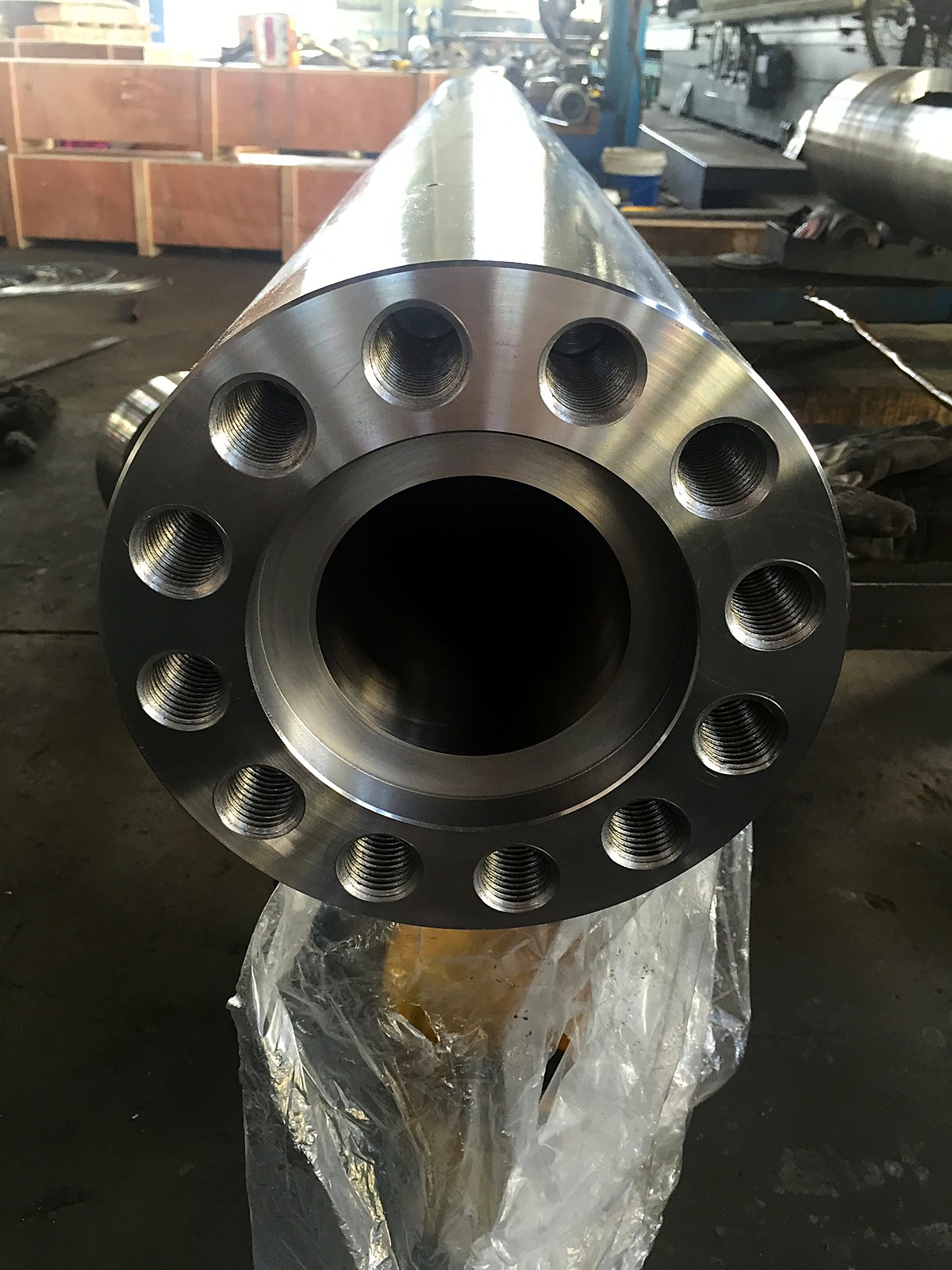
Alloy-lined barrel bore for recycled, filled and corrosive materials.
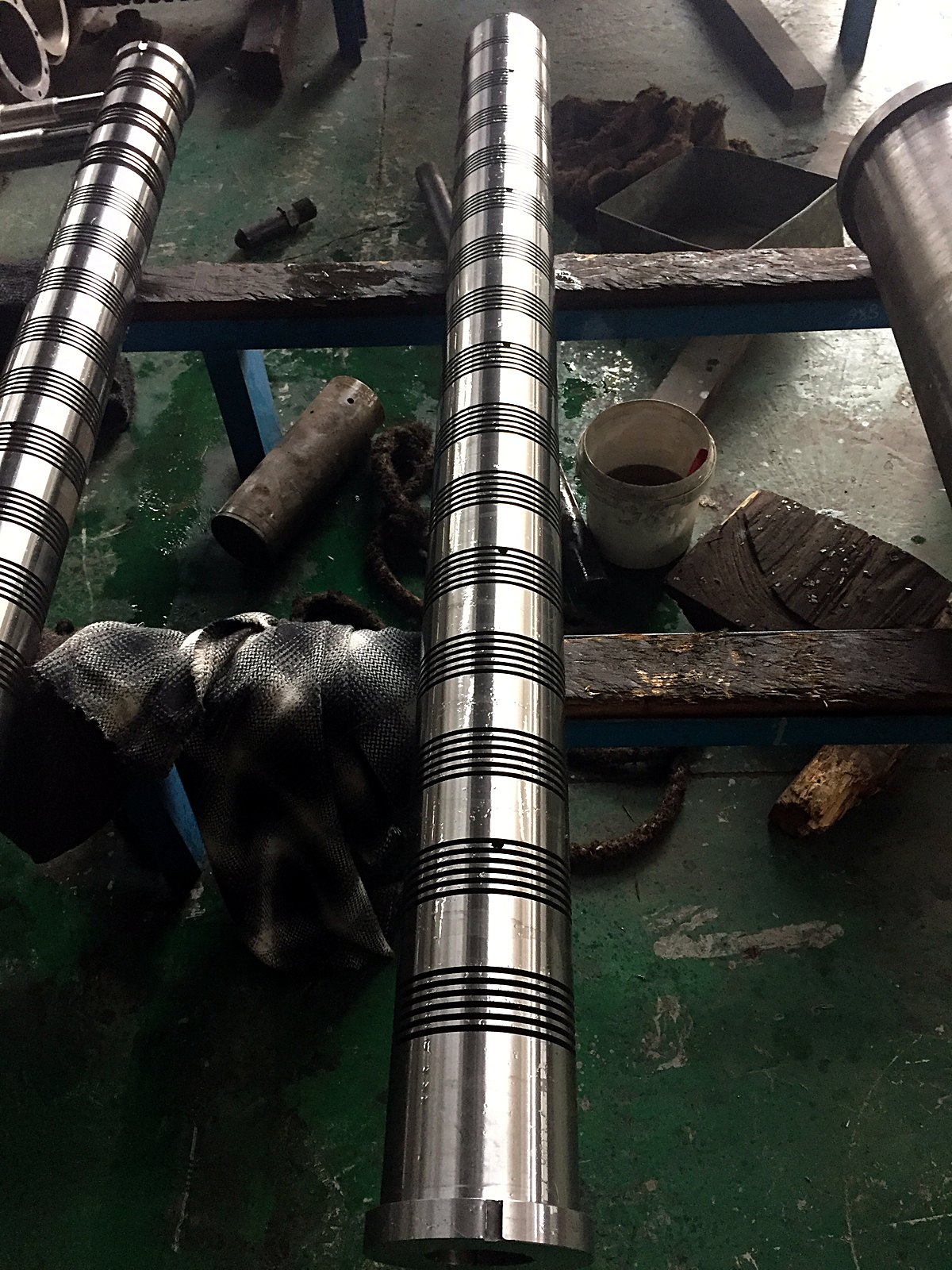
Hardfaced single screw matched to an alloy-lined barrel.
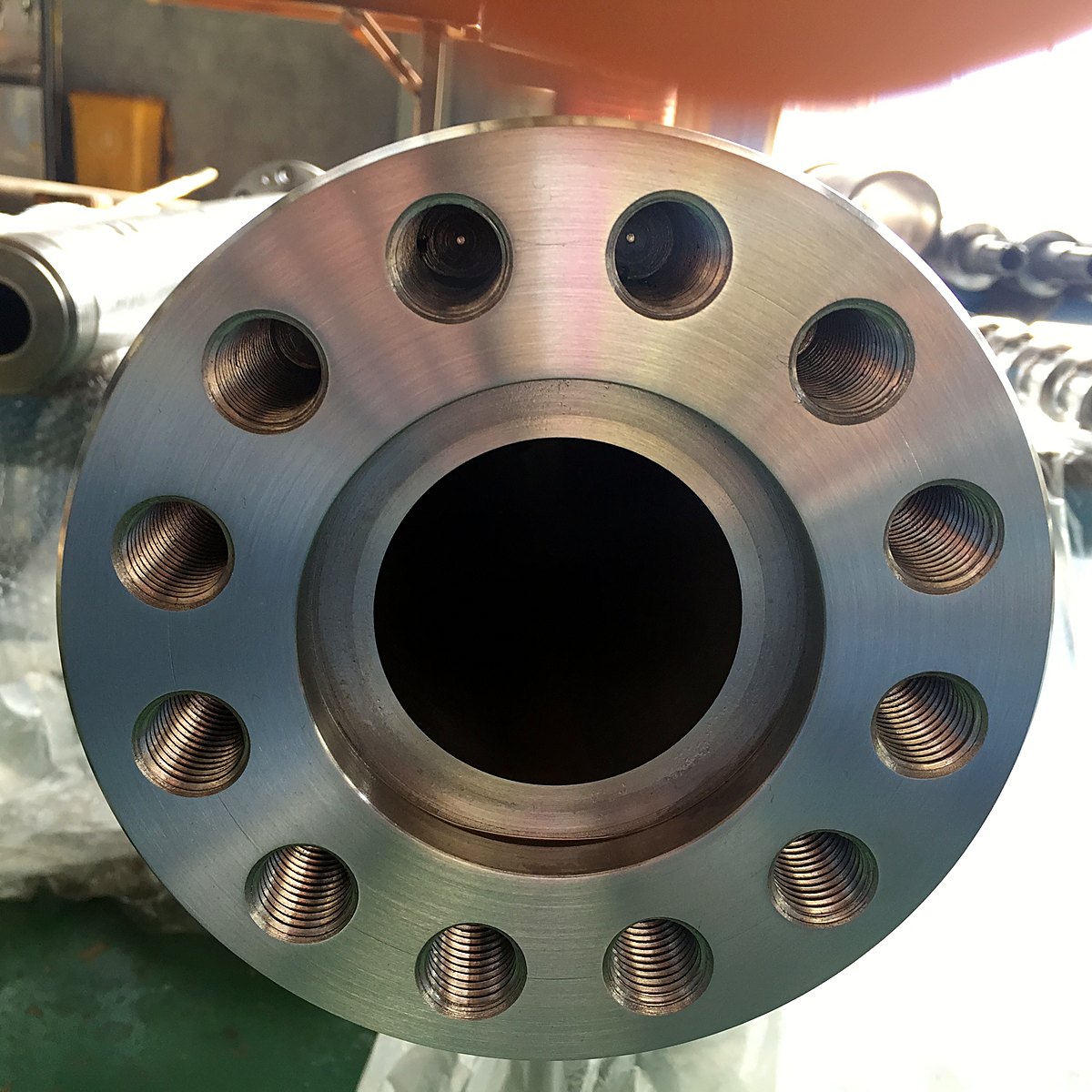
Custom flanged barrel for extrusion and injection machines.
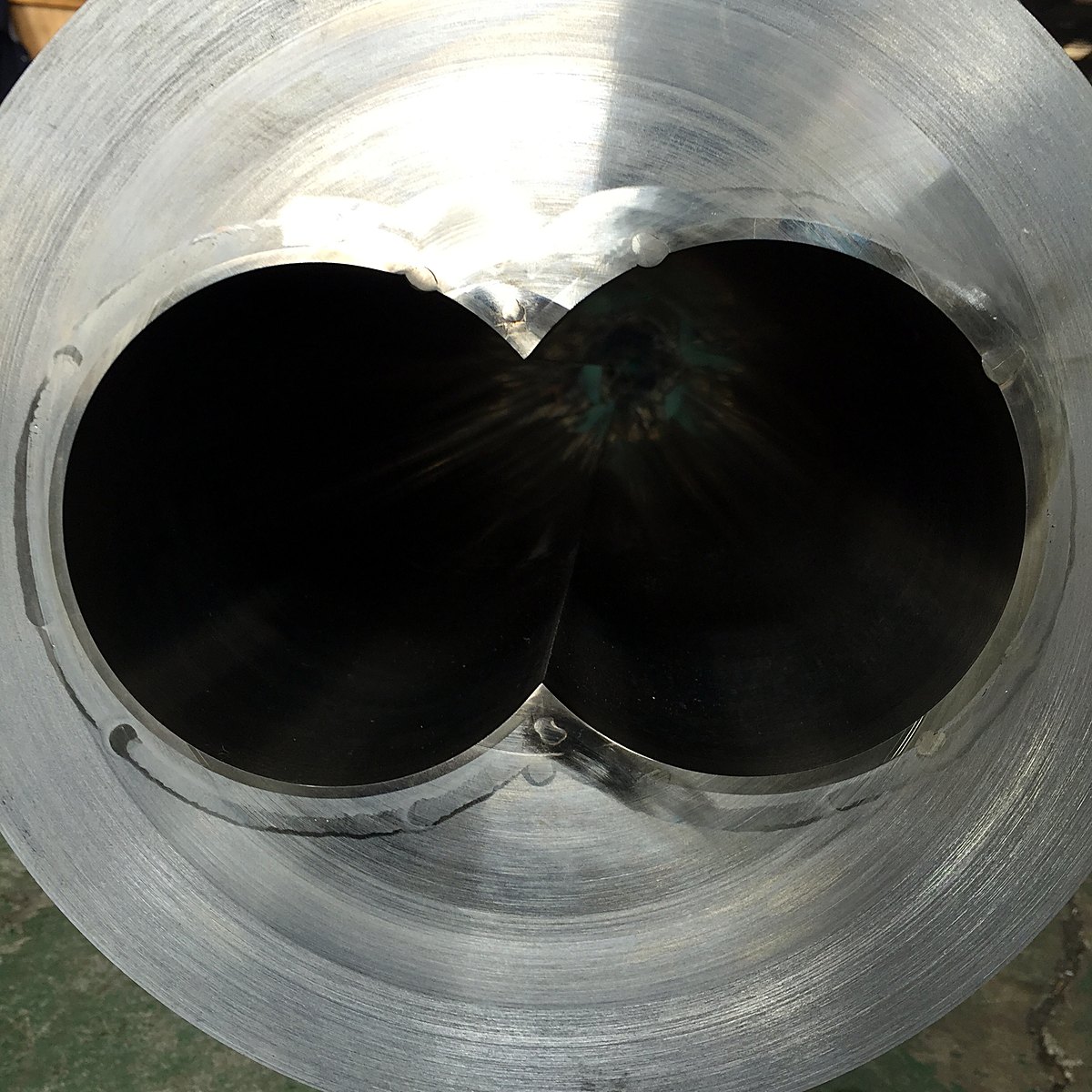
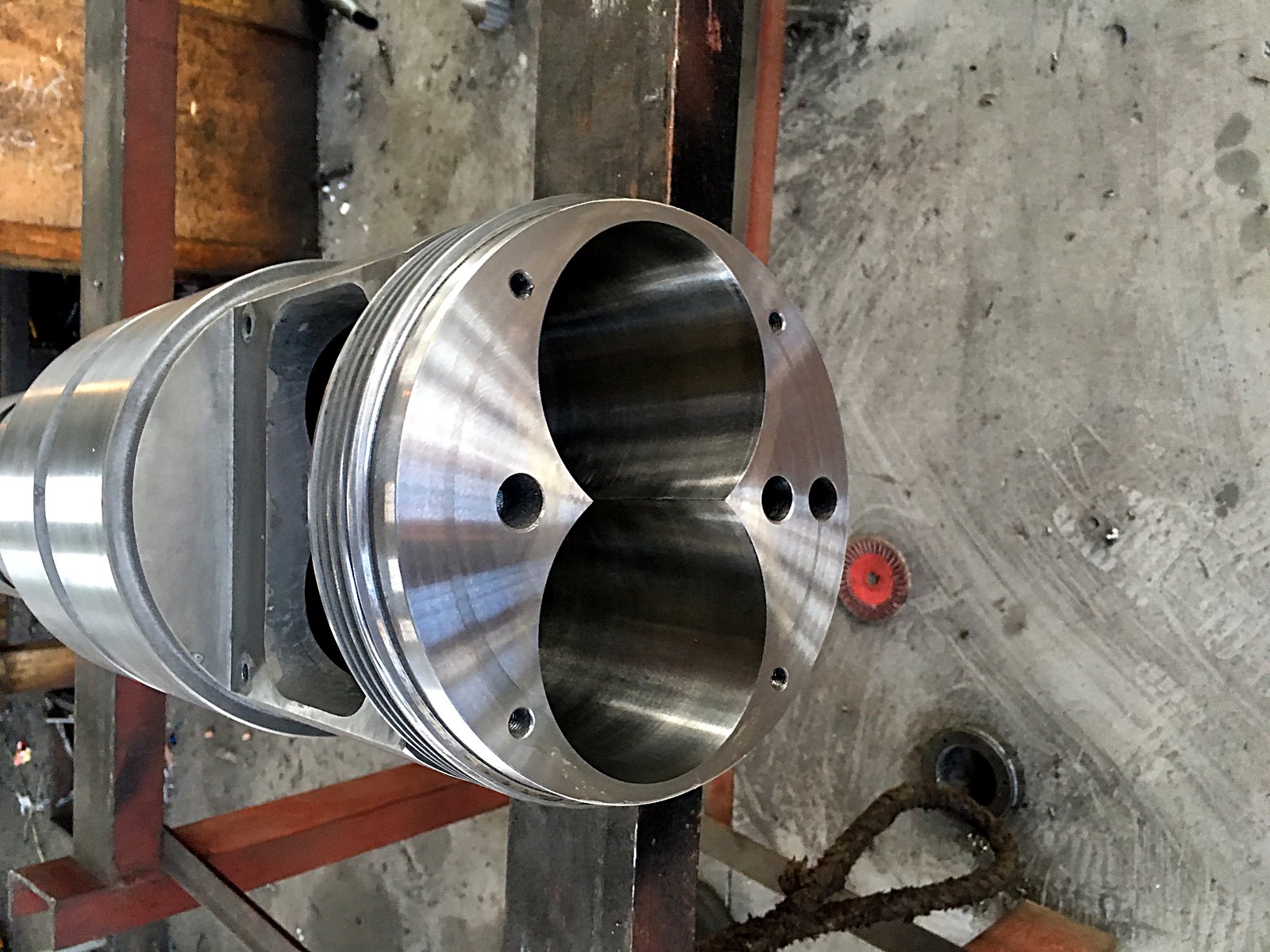
Twin-bore barrel for conical and parallel twin machines.
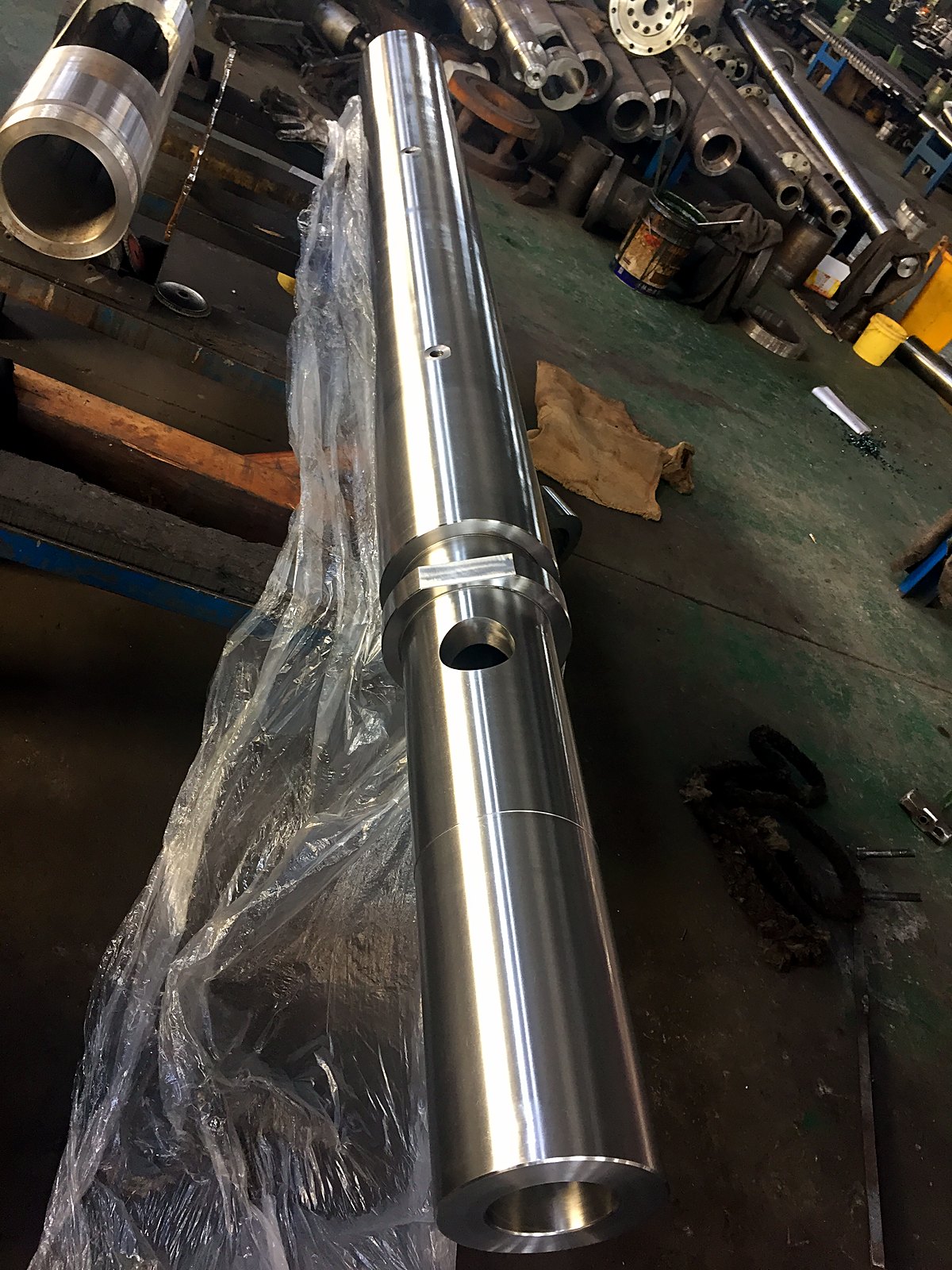
Corrosion-and-wear bimetallic barrel for PET preform, sheet and rPET applications.
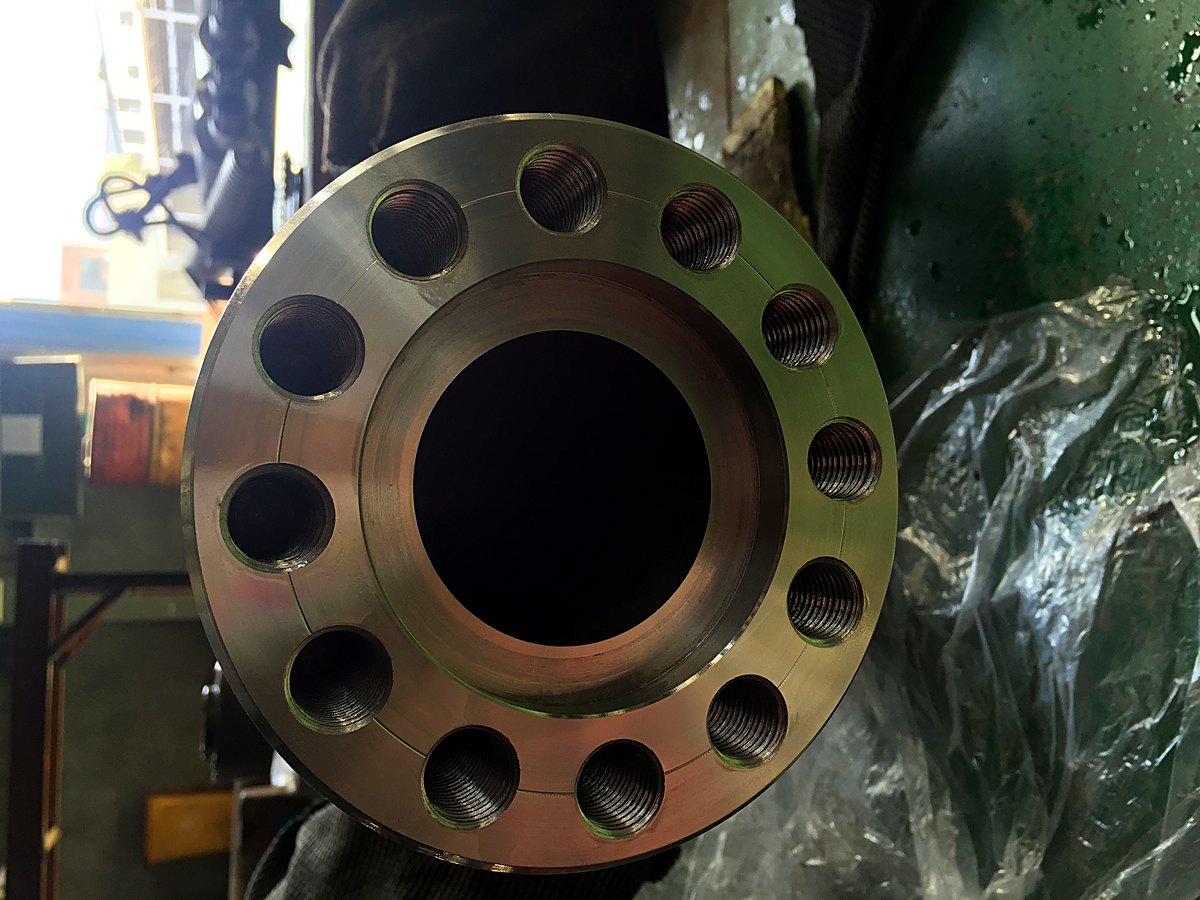
Abrasion-resistant bimetallic barrel for 30–50% glass-filled PA, PP and PBT.
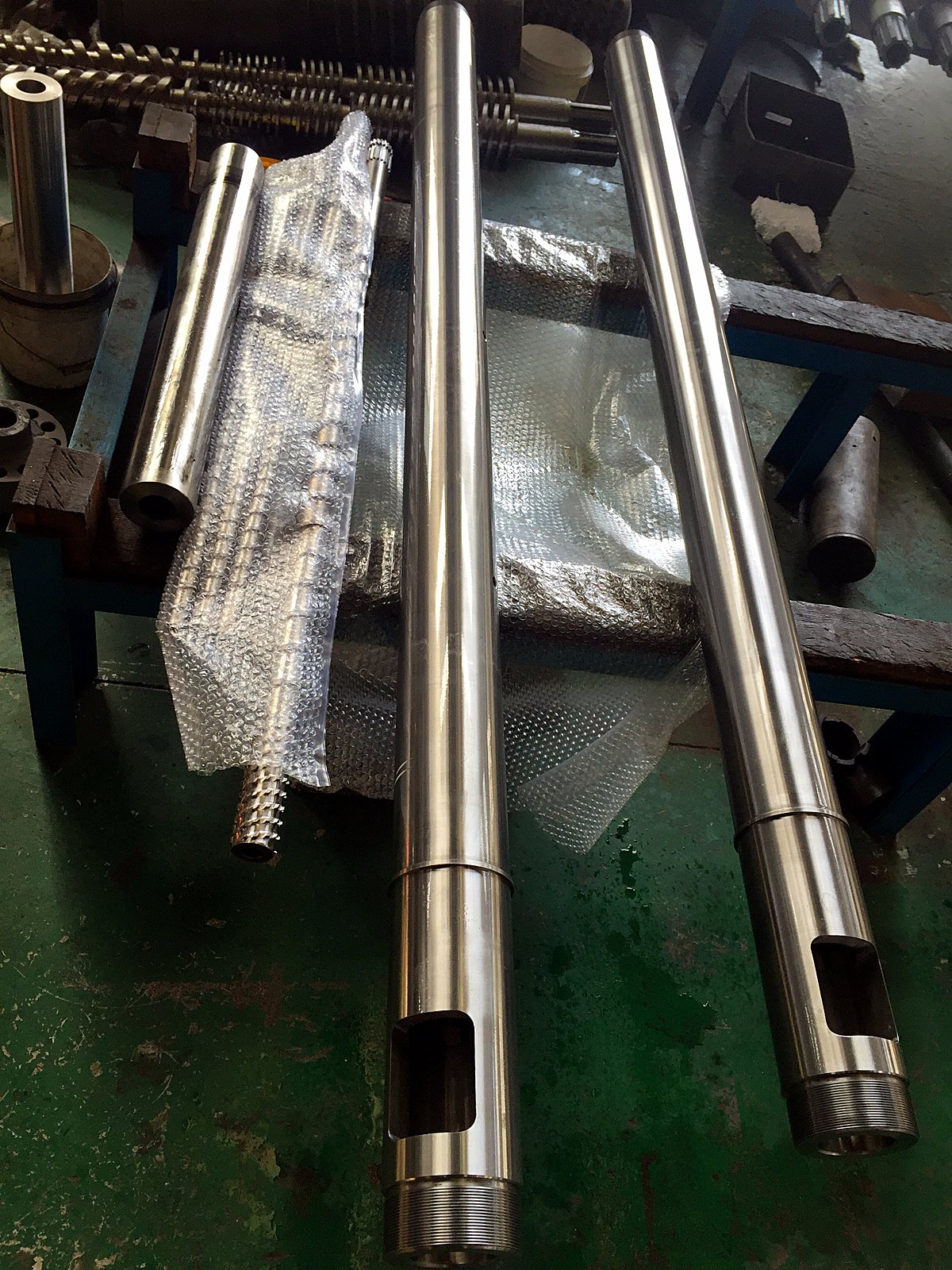
Bimetallic barrel for blown film lines running recycled-blend and contaminated feed.
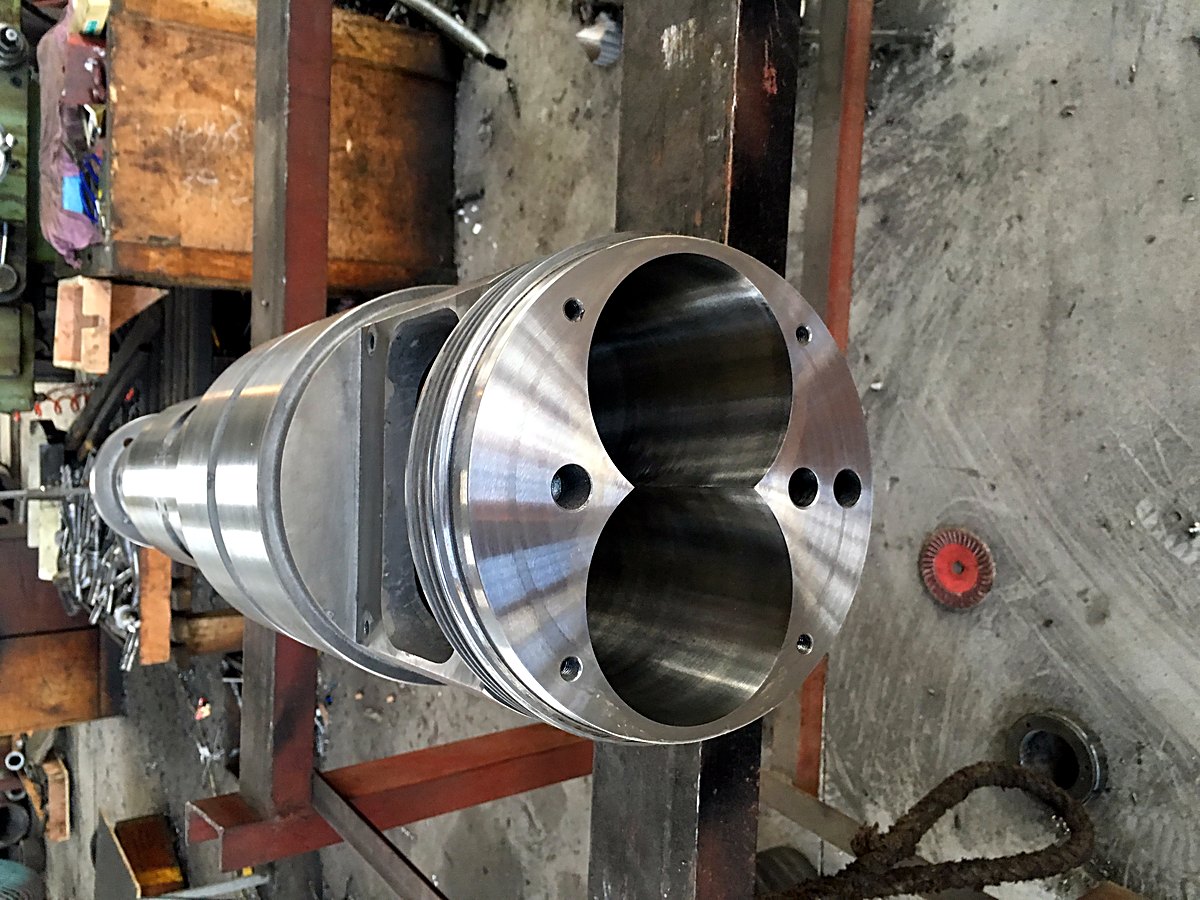
Bimetallic-lined twin screw barrel for recycled PVC pipe, profile and board duty.
New models are added regularly — or send your drawing or worn sample for a custom build.
Standard ranges shown below. Non-standard sizes and custom geometry are built to your drawing or sample.
| Item | Specification |
|---|---|
| Alloy Layer Thickness | 2 – 5 mm cast into the barrel bore |
| Alloy Systems | Iron-based, nickel-based, cobalt-based, tungsten carbide |
| Screw Diameter | Ø12 – Ø300 mm |
| Screw Hardfacing | Alloy powder spray-welded / hardfaced onto the flight surface |
| Base Material | 38CrMoAlA, 42CrMo, stainless steel as substrate |
| Suitable For | Glass fibre, mineral filler, recycled content, flame retardant, PVC, fluoropolymer |
| Hardness | Alloy layer hardness selected by application; verified on test coupons |
| Machining Tolerance | ±0.02 mm on critical fits |
| Form | Complete set, barrel only, or screw only |
| Lead Time | Confirmed with quotation depending on alloy and size |
| Alloy System | Wear Resistance | Corrosion Resistance | Typical Application |
|---|---|---|---|
| Iron-Based | Good | Moderate | Recycled polyolefin, mineral-filled compound |
| Nickel-Based | Very Good | Very Good | Filled engineering resin, flame-retardant compound |
| Cobalt-Based | Excellent | Excellent | High-temperature, highly filled engineering resin |
| Tungsten Carbide | Outstanding | Good | Glass-filled compound, highly abrasive recyclate |
Material and treatment are selected by the resin you process, filler content and expected service life.
Cost-effective wear protection for recycled and mineral-filled polyolefin processing.
Combined wear and corrosion resistance — a common default for filled engineering compounds.
Retains hardness at elevated temperature for demanding engineering resin.
The most abrasion-resistant option for glass-filled and heavily filled compounds.
38CrMoAlA, 42CrMo or stainless substrate selected for load and corrosion conditions.
A/B/C particle grades sized to your abrasion and corrosion profile.
Common problems we help injection and extrusion plants solve — and how a matched screw barrel fixes them.
Glass fibre and mineral filler abrade a nitrided bore quickly.
A 2–5 mm alloy layer resists the same abrasive feed far longer.Contamination and inconsistent feed accelerate wear and corrosion.
Bimetallic handles dirty, abrasive recyclate without rapid degradation.Halogenated flame retardants attack standard steel surfaces.
Nickel- or cobalt-based alloy resists chemical attack.Screw flights lose profile and clearance opens up.
Hardfaced flight surface keeps its geometry under abrasive load.Every barrel change costs production time and scrap.
Longer service life means fewer changeovers and lower cost per running hour.Cheap bimetallic linings delaminate or wear unevenly.
Centrifugally cast, metallurgically bonded layer — never sprayed or welded.We review filler type and level, recycled content, flame retardant and processing temperature.
Alloy system and layer thickness selected for the dominant wear mechanism.
Bore prepared to receive the alloy layer, with substrate verified before casting.
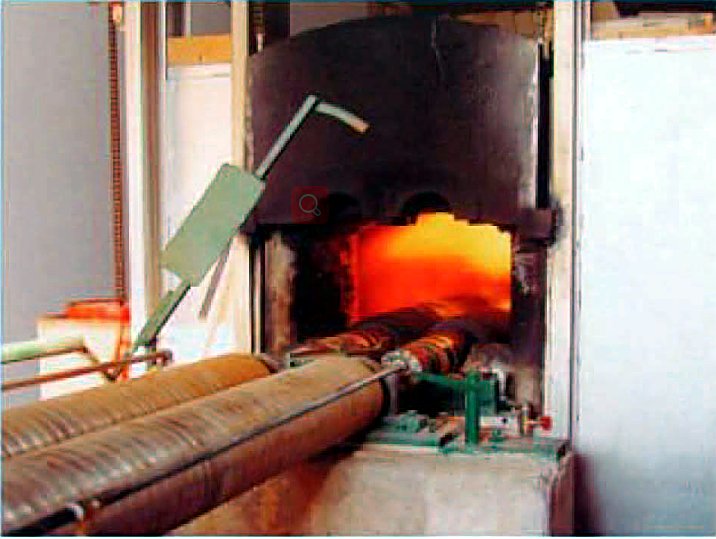
Centrifugal casting for the bore; spray welding or hardfacing for screw flights.
Bore and flight surfaces machined and ground to final tolerance.
Hardness and dimensional verification, clearance check, rust protection, wooden case.
PA, PP, PBT and ABS reinforced with short or long glass fibre.
Post-industrial and post-consumer recyclate with contamination.
Halogenated and halogen-free flame-retardant compounds.
Calcium carbonate, talc and other mineral-filled formulations.
Corrosive resin requiring both chemical and wear resistance.
PPS, LCP, PEI and other high-temperature, filled materials.
High pigment and additive loading with abrasive characteristics.
High-loading masterbatch runs that destroy nitrided bores in weeks.
PA, PC and PBT compounds with abrasive or corrosive additives.
“On glass-filled PA the bimetallic barrel has run several times longer than the nitrided one we replaced.”
Plant ManagerEngineering compounder, Europe“We process post-consumer recyclate with all its contamination. This barrel keeps going where the previous one failed.”
Operations DirectorRecycling pelletizer, North America“They asked about filler level and flame retardant before recommending the alloy. That detail mattered.”
Technical LeadFlame-retardant compound producerIt depends on the material. On glass-filled or heavily filled compounds, service life is typically several times that of a nitrided barrel. We advise the alloy system after reviewing your formulation.
Yes, but a matched set is recommended — a worn screw will accelerate wear on the new bore. If your screw is in good condition, a barrel-only supply is a valid option.
Iron-based suits recycled and mineral-filled polyolefin; nickel-based suits filled engineering resin and flame retardants; tungsten carbide suits the most abrasive glass-filled compounds. Tell us your formulation and we recommend the system.
For clean unfilled resin, nitrided is usually more cost-effective. Once glass fibre, high filler load, recycled content or corrosive additives enter the process, the longer life usually pays back the difference.
Assessment depends on the condition of the substrate. Send us the barrel or its condition details and we will advise whether re-lining is viable.
Ø12–300 mm is our standard range, with alloy layer thickness of 2–5 mm. Non-standard sizes are built to your drawing.
Send the drawing, machine model or worn sample — we confirm the geometry and quote within one working day.
Tell us the machine model, screw diameter and material you process — we will reply with a matched solution and quotation.
Or write directly to info@xiwangindustry.com · WhatsApp +86-13503734287
Our barrels are centrifugally cast, which produces a metallurgically bonded liner rather than a deposited layer that can spall. Cast linings keep the alloy thickness consistent around the full bore, including right up to the ends. For screws we use hardfacing, where cast lining is not practical.
Typically 2–5 mm depending on bore size and duty. Thicker is not automatically better: the right figure depends on how much wear allowance the geometry can tolerate. We recommend a thickness, and explain why, rather than maximising it to justify a price.
Often yes. A worn barrel that still has sound base material can be bored out and re-cast, which costs less than a new barrel and keeps the housing you already own. Send bore measurements and photographs and we will say honestly whether re-lining is worthwhile.
Tell us your machine model, drawing or worn sample — we reply with a matching proposal and quotation within one business day.