Single screw barrels for sheet, board, pipe, film, cable, pelletizing and profile extrusion lines. Standard range Ø15–300 mm with L/D 5–65, built to your resin and output target.
The extruder screw barrel is the core of a single screw extrusion line. The screw conveys, compresses and melts the resin, then builds the pressure needed to push melt through the die at a steady rate.
Unlike injection, extrusion runs continuously — so output stability, melt temperature uniformity and pressure consistency matter more than shot-to-shot repeatability. Screw geometry is therefore tuned to the specific line: a film blowing screw is not interchangeable with a pipe or pelletizing screw.
We build screw barrels matched to sheet, board, film blowing, cast film, pipe, profile, wire and cable, pelletizing, film laminating, PE tape, extrusion blow moulding and high-speed lines.
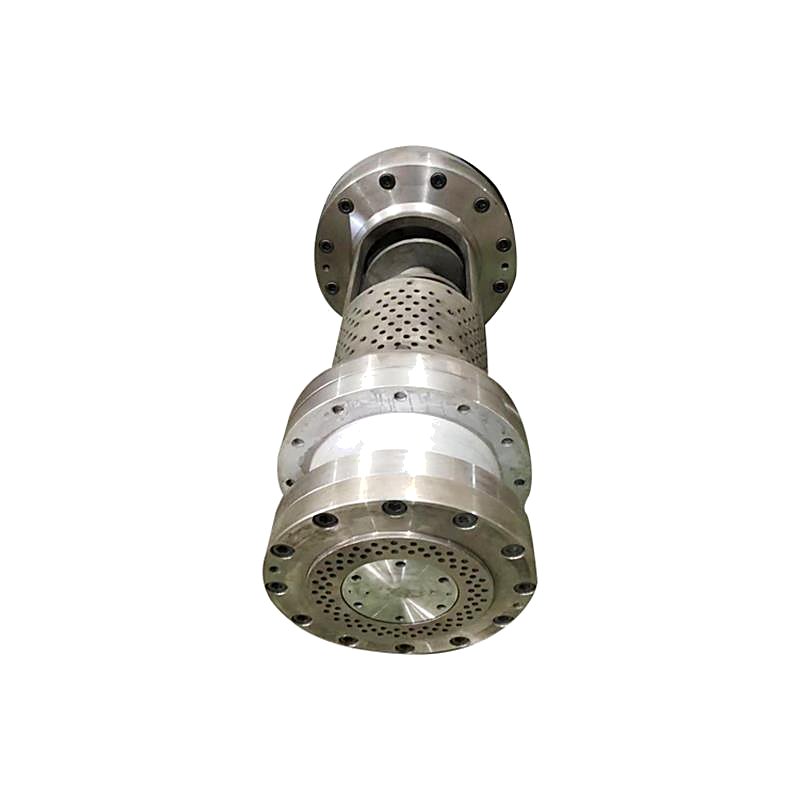
For PP/PS/PE sheet and thick board, with stable melt pressure across the die width.
LDPE, HDPE and LLDPE blown film lines, tuned for bubble stability and output.
Low-melt-temperature design for cast film with good optical and thickness uniformity.
For PE, PPR and PVC pipe — high output at low melt temperature with good wall concentricity.
Window profile, door panel and technical profile lines running PVC or WPC.
Insulation and sheathing extrusion with low-shear geometry to protect the conductor.
Compounding and recycling pelletizing lines, often paired with bimetallic for abrasive feed.
For bottle and container blow moulding with consistent parison control.
Extrusion coating and laminating lines for paper, film and foil substrates.
For stretched tape, raffia and monofilament production.
High-RPM lines where plasticating capacity limits throughput.
Barrels with stable melt flow for LDPE/LLDPE blown film lines.
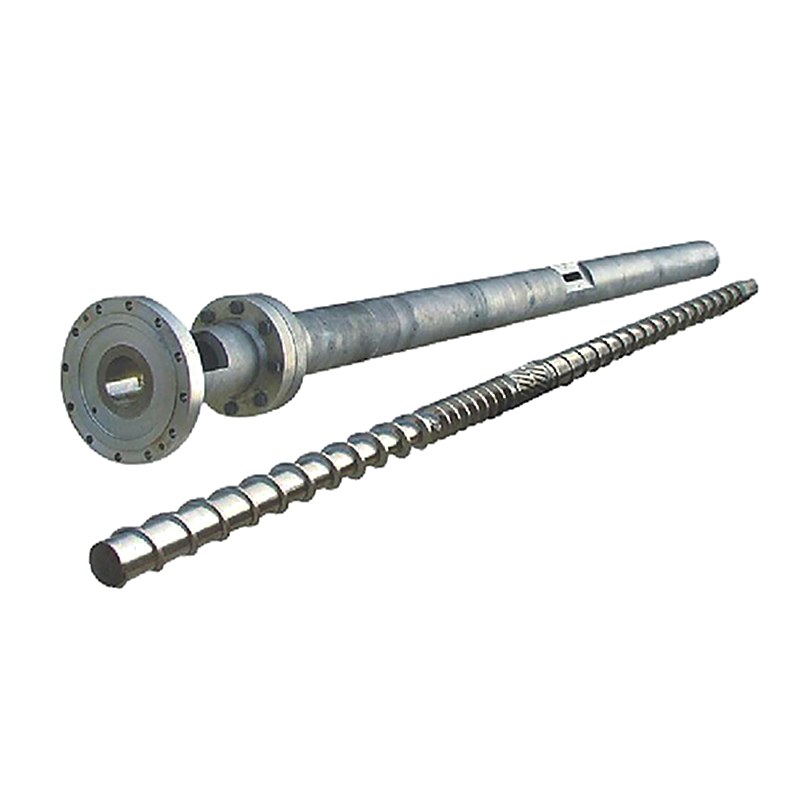
Complete set for PE/PP pipe, film, sheet and pelletizing extrusion lines.
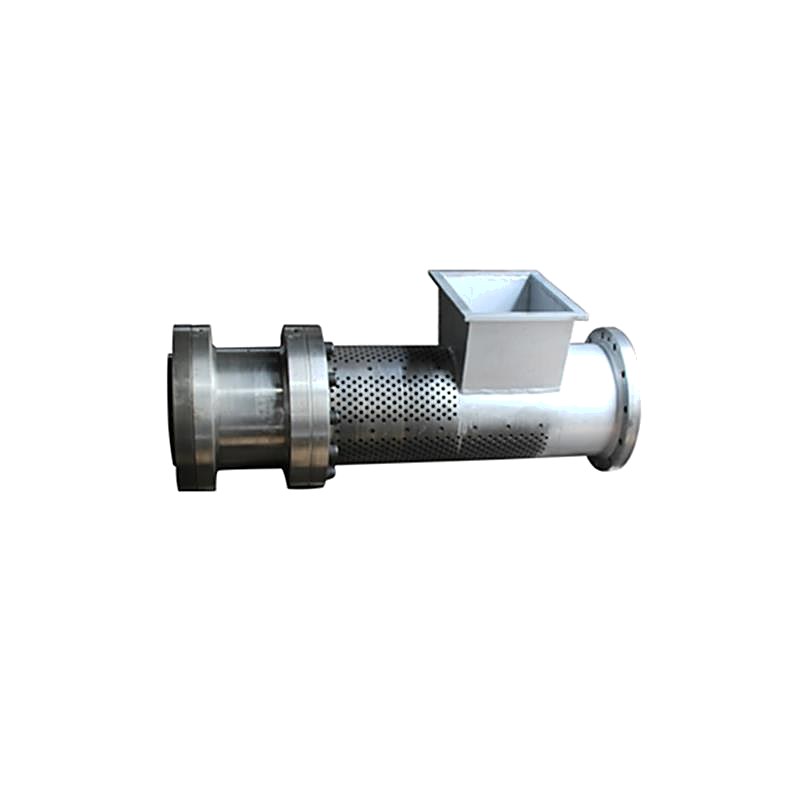
Degassing barrel with vent port for LDPE/HDPE with moisture or volatile content.
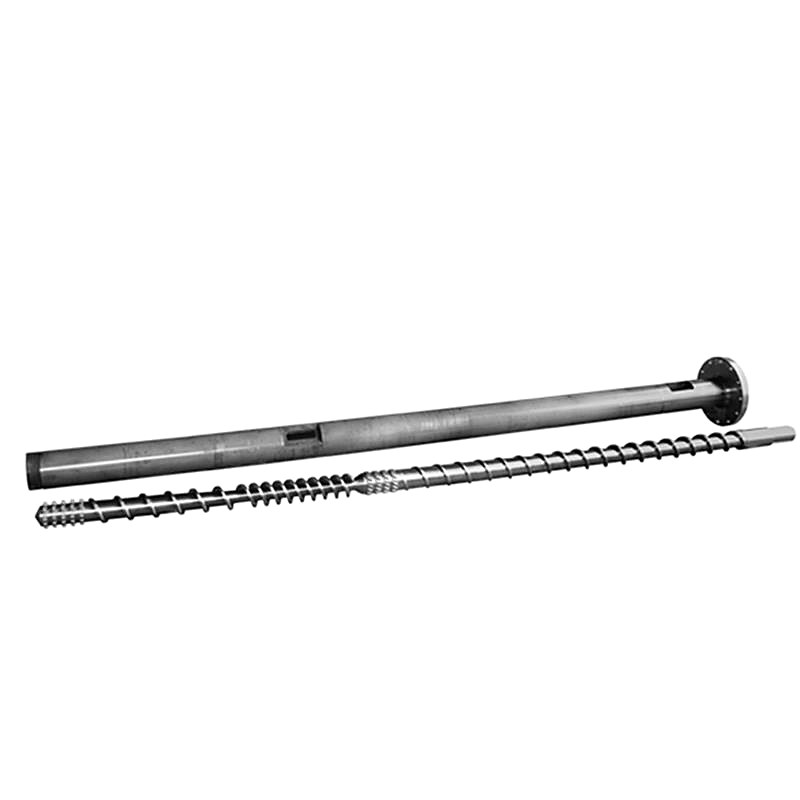
Grooved feed section for high-output HDPE pipe extrusion.
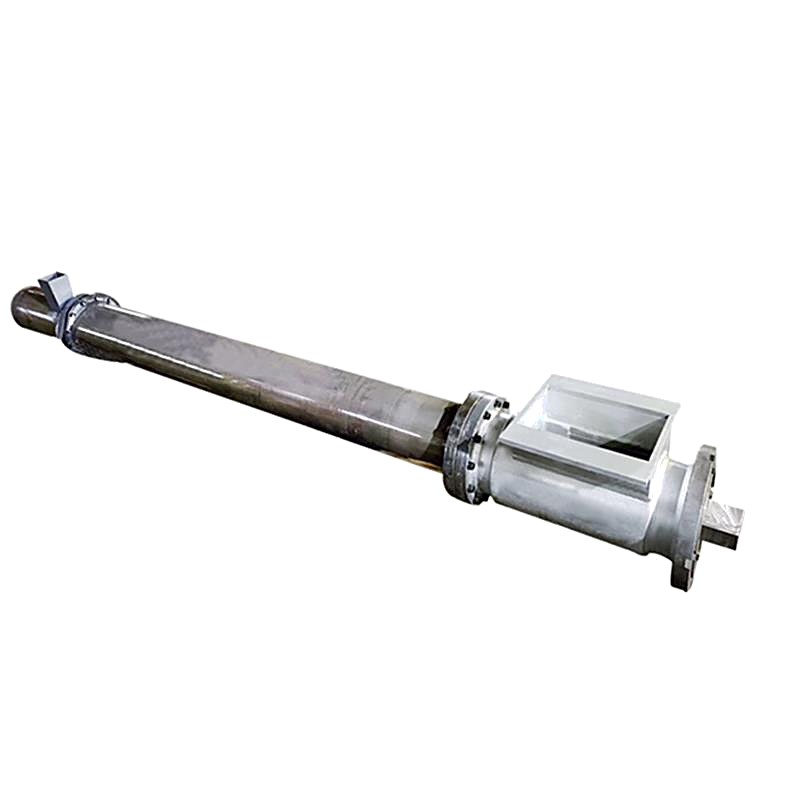
Mixing-head screw for blown film and cast film lines.
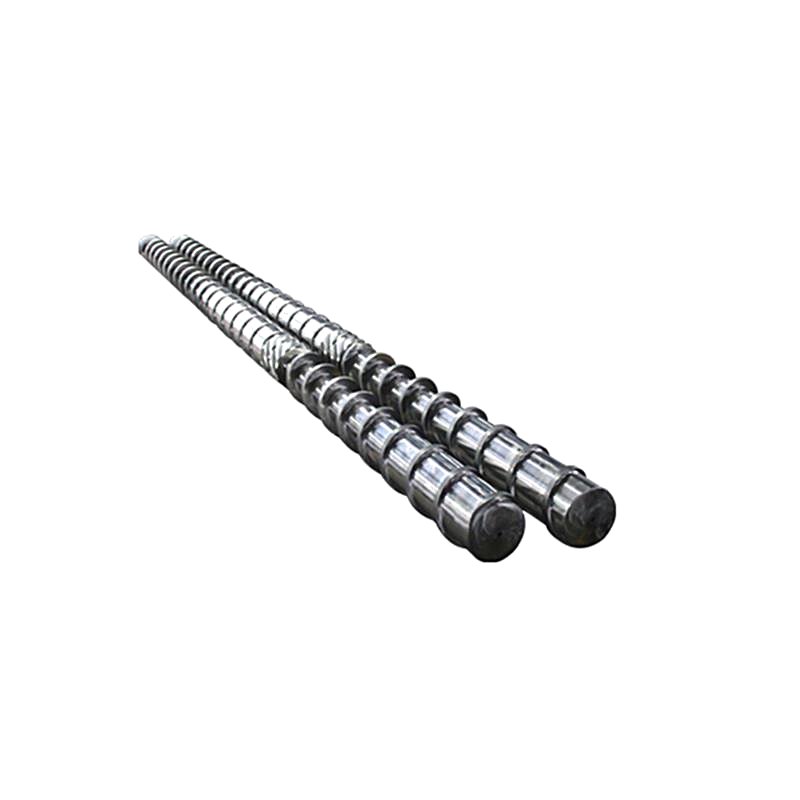
Groove-feed or smooth-bore screw barrel for HDPE PE100 pressure pipe lines.
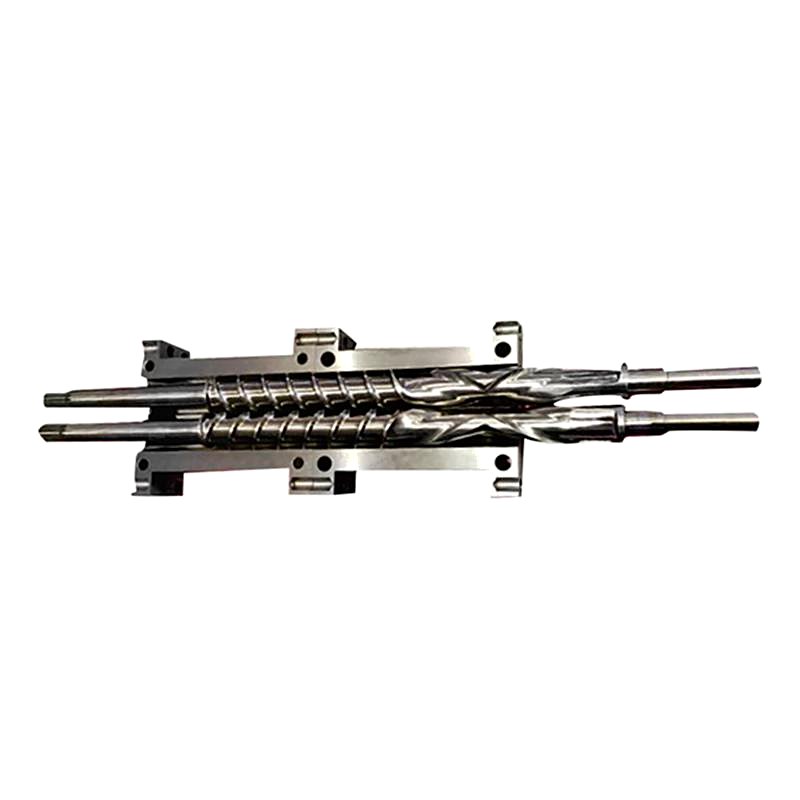
Film-grade screw barrel for LDPE / LLDPE / HDPE blown film with stable, cool melt.
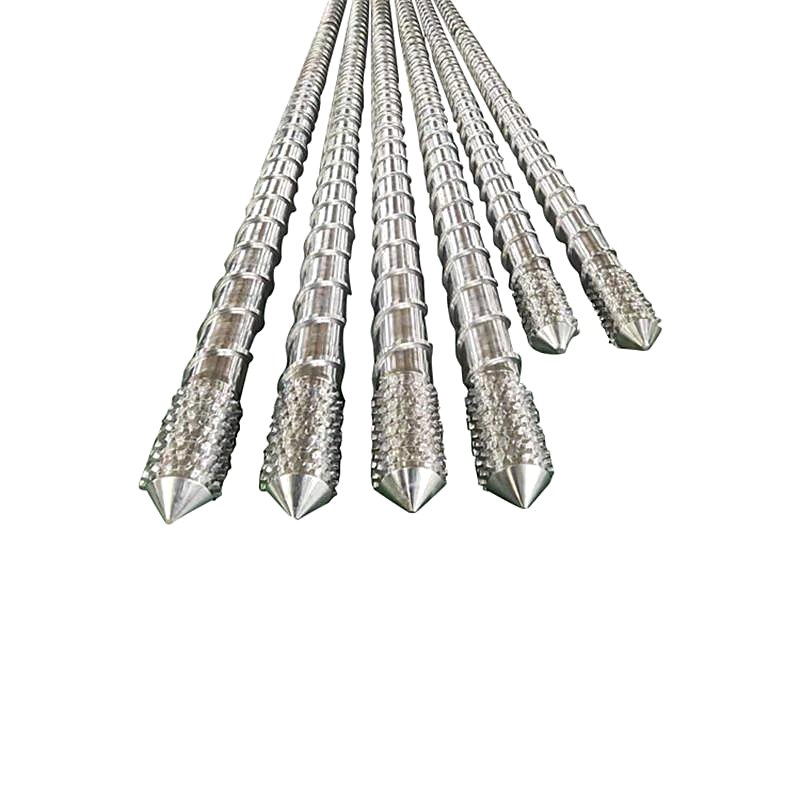
Bimetallic screw barrel for LDPE / PP / PET recycling and pelletising lines.
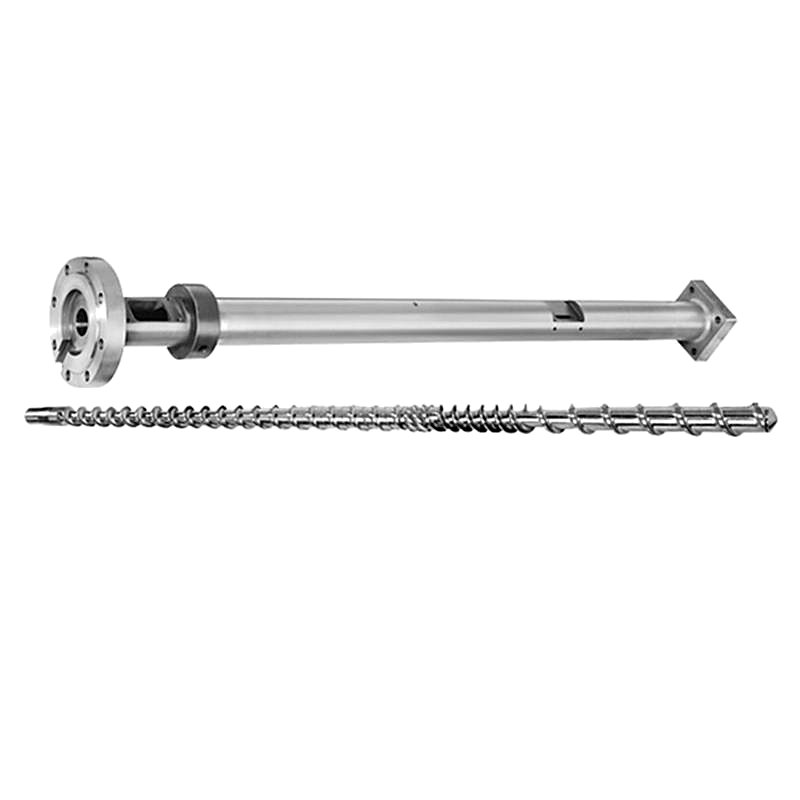
Low-shear PET screw barrel for APET / PETG sheet and packing strap lines.
New models are added regularly — or send your drawing or worn sample for a custom build.
Standard ranges shown below. Non-standard sizes and custom geometry are built to your drawing or sample.
| Item | Specification |
|---|---|
| Screw Diameter | Ø15 – Ø300 mm |
| L/D Ratio | 5 – 65 depending on line type |
| Screw Structure | Single flight, barrier, mixing head, pin, vented (two-stage) |
| Base Material | 38CrMoAlA, 42CrMo, 40Cr, stainless steel |
| Nitriding Depth | 0.4 – 0.7 mm, surface hardness HV 900–1100 |
| Bimetallic Layer | 2 – 5 mm alloy lining for filled, recycled or corrosive material |
| Machining Tolerance | ±0.02 mm on critical fits |
| Cooling | Barrel fan or water cooling zones as specified |
| Feed Opening | Standard or grooved feed throat to suit hopper and material form |
| Lead Time | Confirmed with quotation depending on size and treatment |
Material and treatment are selected by the resin you process, filler content and expected service life.
Default for polyolefin extrusion with unfilled resin. Hard case, tough core, proven service life.
For recycled, glass-filled, mineral-filled or flame-retardant feed where abrasion dominates.
For PVC, fluoropolymers and corrosive additives, or food-contact and medical extrusion.
Higher torque capacity for large-diameter, high-output lines.
Extra protection on flight surfaces running highly filled compounds.
Nickel-based bimetallic linings for abrasive and corrosive formulations.
Common problems we help injection and extrusion plants solve — and how a matched screw barrel fixes them.
Growing clearance between screw and barrel lets melt slip backwards instead of moving forward.
Restored clearance brings output back to design level.Wrong compression ratio or worn shear surfaces cause surging and temperature swings.
Geometry matched to resin gives steady melt temperature and pressure.Inconsistent feeding and melt delivery make gauge control impossible downstream.
Correct feed and compression design smooths the pressure curve.Insufficient shear or a shortened effective length leaves gel and unmelted resin in the product.
Proper L/D and mixing elements deliver homogeneous melt.Recycled and filled feed abrades a nitrided bore in months.
Bimetallic lining extends service life several times over.A worn bore lets melt leak back and starve the die.
Re-machined bore tolerance restores stable output from day one.Resin, filler content, output target and line type determine geometry, L/D and material choice.
We issue a geometry drawing for approval, or reverse-engineer from your sample.
Barrel boring and screw turning with allowance reserved for heat treatment.
Nitriding or bimetallic casting, with hardness verified on coupons.
Thread grinding and bore finishing to final tolerance and surface finish.
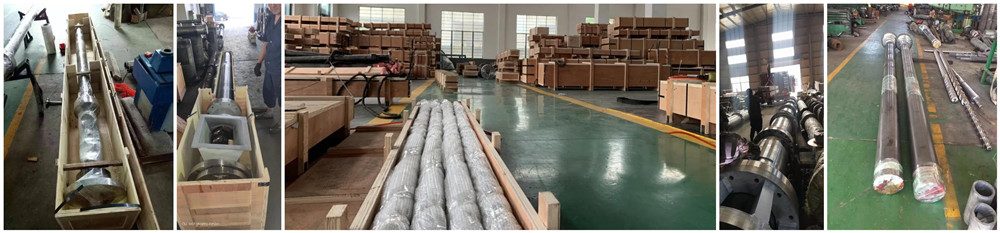
Clearance verification, rust protection, wooden case packing with markings.
Packaging sheet, stationery board, refrigerator liner and thermoforming sheet.
PE water pipe, PPR plumbing pipe, PVC conduit and drainage pipe.
Blown film, cast film, stretch film and laminating film.
Window and door profile, decking, fencing and technical profiles.
Cable insulation, sheathing and telecom duct.
Recyclate pelletizing, masterbatch and filled compound production.
Bottles, containers, drums and automotive ducts.
Raffia tape, baler twine, monofilament and netting.
Single screw barrels tuned for filler-heavy masterbatch and compounding runs.
“Output on our pipe line had dropped steadily over two years. The new set brought it back and melt temperature is easier to hold.”
Plant EngineerPE pipe manufacturer, Asia“We run a lot of recyclate. The bimetallic barrel has outlasted the nitrided one we used before by a wide margin.”
Operations ManagerRecycling pelletizer, Europe“They asked about our resin and filler before quoting, which other suppliers did not. The geometry they proposed works well.”
Technical DirectorSheet extrusion converterNo. Film blowing, pipe, sheet and pelletizing need different compression ratios, L/D and mixing elements. Tell us the line type and resin and we design the geometry accordingly.
It depends on the process and resin — short L/D suits some vented or two-stage applications, long L/D suits high-output single-stage lines. We recommend the ratio after reviewing your material and target output.
Yes, for hygroscopic resin or material generating volatiles, with a degassing port on the barrel.
Yes. Send the worn set or its drawing and we machine to the original interface dimensions so it fits without modifying the line.
On abrasive or filled feed, bimetallic lining typically lasts several times longer. For clean polyolefin, nitrided remains a cost-effective choice — we will advise based on your material.
Lead time depends on diameter, length and treatment and is confirmed with the quotation. Sets are rust-protected and fixed in wooden cases for sea, air or express.
Send the drawing, machine model or worn sample — we confirm the geometry and quote within one working day.
Tell us the machine model, screw diameter and material you process — we will reply with a matched solution and quotation.
Or write directly to info@xiwangindustry.com · WhatsApp +86-13503734287
Yes. We measure the feed, transition and metering depths of your worn screw and reproduce the channel profile. Where you want a change rather than a copy, tell us the symptom you are trying to fix and we will propose the geometry instead of copying a design that produced the problem.
Yes. Barrier flights, Maddock mixers, pineapple mixers and distributive mixing sections are all built in-house for extrusion. If you are chasing melt homogeneity or output rather than simply replacing a worn part, describe your current output and melt temperature spread.
We machine to Ø300 mm. If your extruder is larger than that we will say so in the first reply rather than quote something we cannot hold to tolerance.
Tell us your machine model, drawing or worn sample — we reply with a matching proposal and quotation within one business day.