Shipment · 22 Oct 2026
Falling output, rising melt temperature and other early warnings - plus when rebuilding is genuinely worth it and when it is throwing money away.
Wear is gradual enough that most operators adjust the process for months before they accept that the hardware is gone. These are the five signals that tell you where you actually stand.
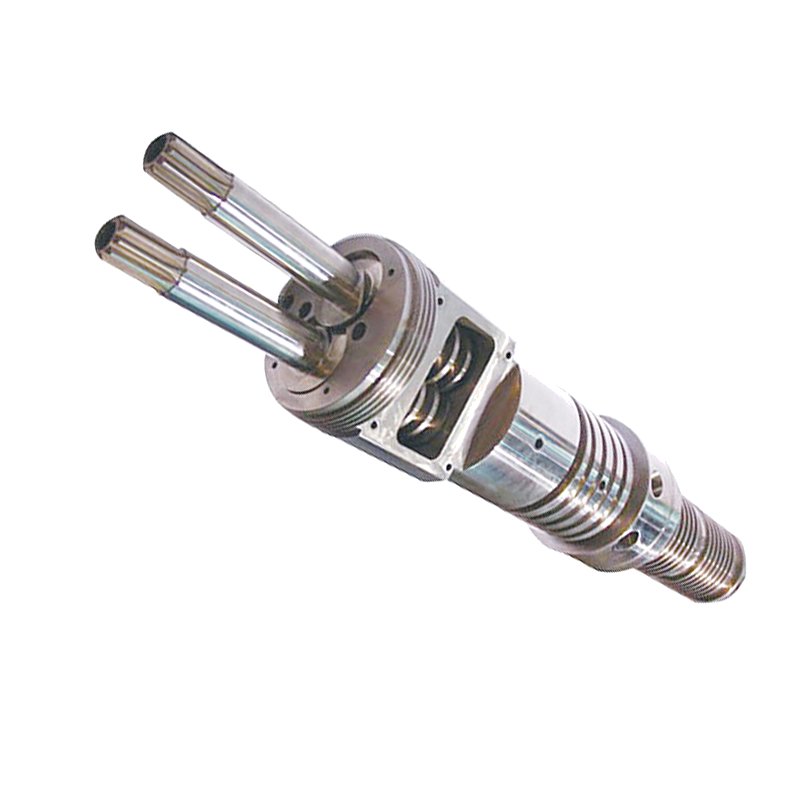
As clearance between flight land and bore opens up, material leaks backwards instead of moving forward. You compensate by raising screw speed, which adds shear - and the cycle feeds itself.
Higher shear from that same leakage means more heat. Watch for discoloration, black specks, or a cycle time that has quietly lengthened because cooling now takes longer.
Restricted feed or degraded material pushes head pressure and motor load up together. Compare current readings with the figures from when the machine was new.
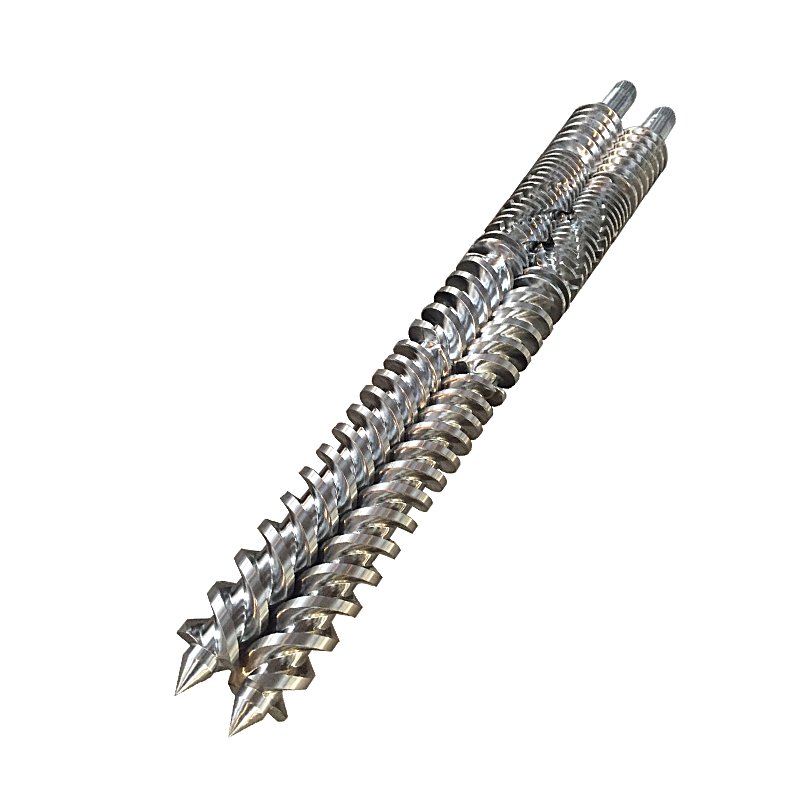
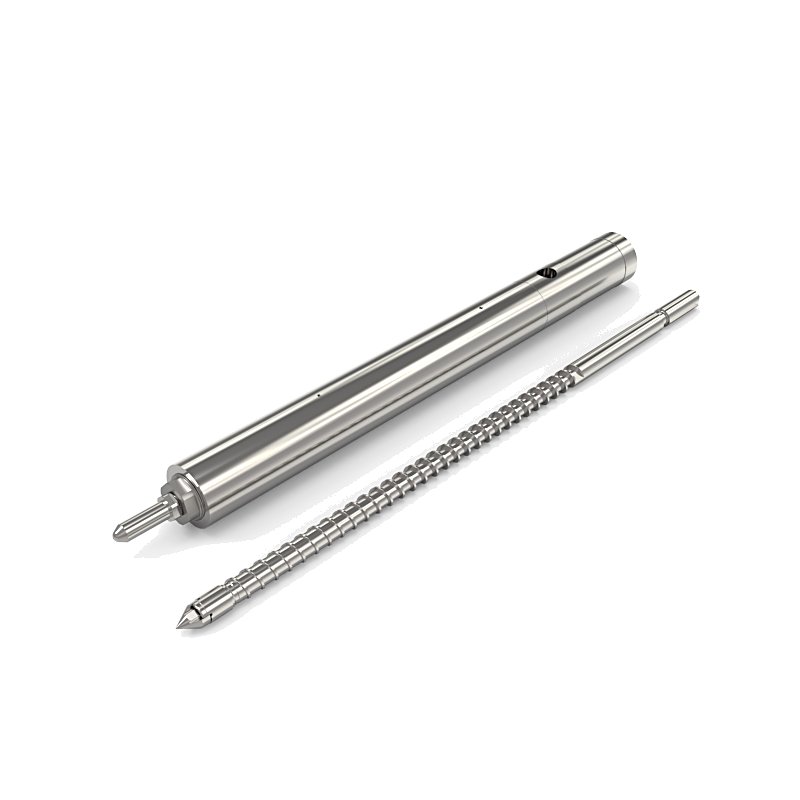
During the next screw pull, look at the metering section and the compression zone. Polished-bright lands and visible pitting mean the hardened layer is gone, not merely scratched.
Shot weight variation on injection, gauge variation on film and sheet: inconsistent plasticating is often hardware, not parameters.
Send your machine model, drawing or worn sample — we reply with a matching proposal and quotation within one business day.